
Discover North Limburg’s ceramic heritage
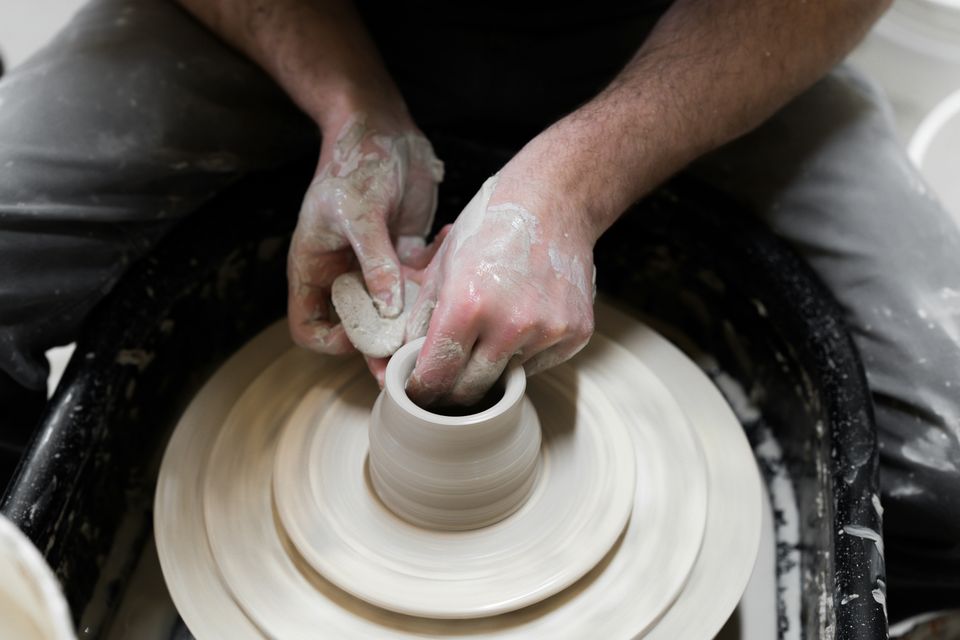
In North Limburg, the history of ceramics is hidden in more places than you might think. From the flowerpots of Milsbeek to the roof tiles of Tegelen and the ceramic art in Beesel: every place has its own story. And the wonderful thing is that you can still discover much of that history for yourself today. I’d love to take you on a journey through North Limburg’s ceramic heritage.
A ceramics region thanks to the soil beneath our feet
From everyday pottery to thousands of flower pots
Gennep: ceramics from the museum cellar to the street
From tram stop to pottery workshop in Bergen
From Roman roof tiles to ceramic art in Tegelen
Offenbeek and Reuver: a ceramics factory is given a new lease of life
Ceramics as art in the streetscape of Beesel
Discover North Limburg’s ceramics story for yourself
A ceramics region thanks to the soil beneath our feet
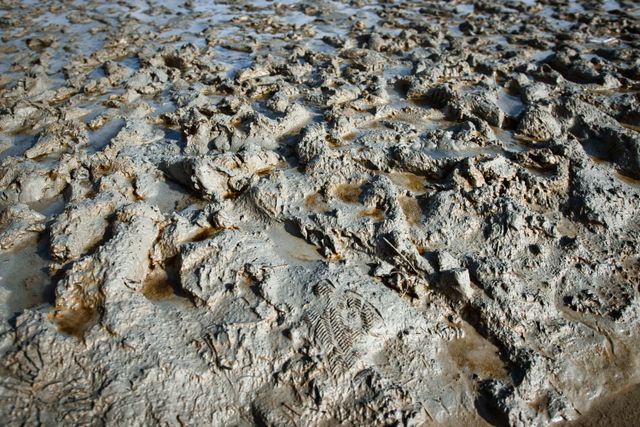
It is no coincidence that ceramics became so important in North Limburg. All the necessary raw materials were available around Gennep: clay, water and wood. The clay came from the floodplains of the Meuse, whilst the wood for the kilns came from the Reichswald and the Sint-Jansberg. The pottery could be transported to other areas via the Meuse.
Gennep’s history of pottery goes back a long way. Museum Het Petershuis houses finds from prehistoric times, the Roman period and the Middle Ages. From the sixteenth century onwards, production increased and small family businesses sprang up. In 1594, the first potter by name appeared in the archives: Wolter den Potten Backer. The pottery from this region formed part of a wider ceramic tradition along the Lower Rhine and the Niers, extending beyond the current German border.
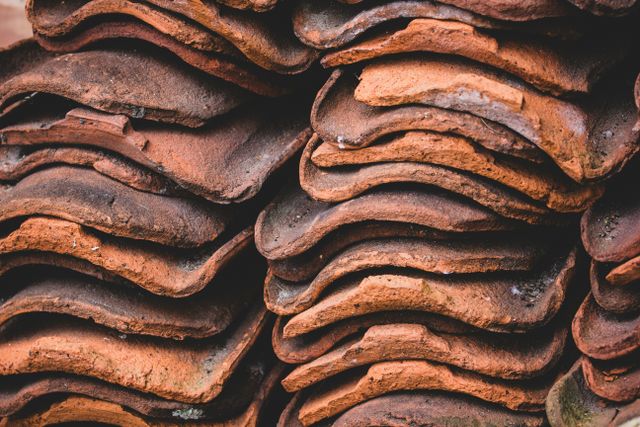
In Tegelen, too, the soil played a major role. The Romans already used this clay for pottery, bricks and roof tiles. Did you know that, according to the Tiendschuur Ceramics Centre, the name ‘Tegelen’ derives from the Latin word for roof tile, ‘tegula’?
From everyday pottery to thousands of flower pots
For centuries, potters around Gennep, Ottersum and Milsbeek mainly produced utilitarian pottery, such as pots, pans and bowls. That changed when industrial production began to compete more and more strongly with the traditional craft.
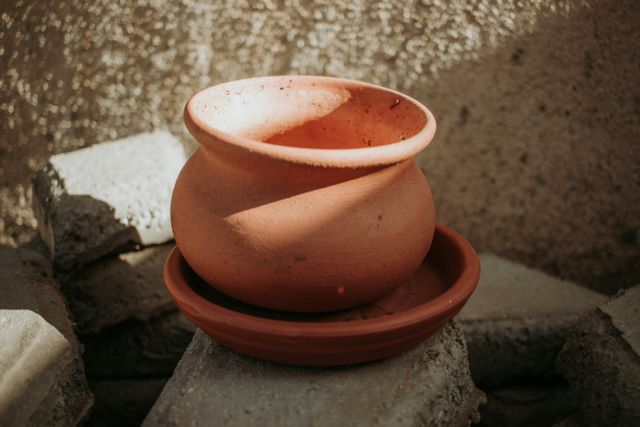
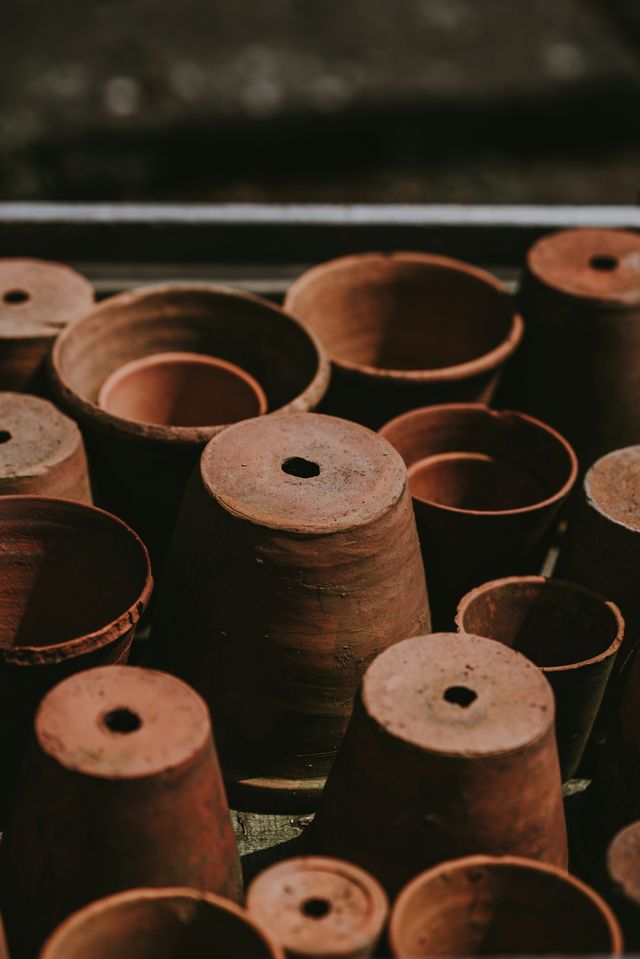
The growing popularity of houseplants presented new opportunities. The Liebrand family of potters switched to making flowerpots. The family’s apprentices later set up their own businesses, turning the area into a major production centre. According to Museum Het Petershuis, in the 1950s a very large proportion of the ceramic flowerpots used by Dutch flower growers came from this region. Did you know that skilled potters at De Olde Kruyk pottery could produce as many as 1,700 small flowerpots in a long working day?
From the 1960s onwards, plastic flowerpots gained ground. Due to the rise of cheaper foreign production, the traditional ceramic flowerpot industry eventually disappeared from the region. In 2006, a kiln for ceramic flowerpots was fired for the last time at Arts Aardewerkfabriek in Milsbeek.
Tip: discover Potterie Jacobsladder and have a go at working with clay yourself
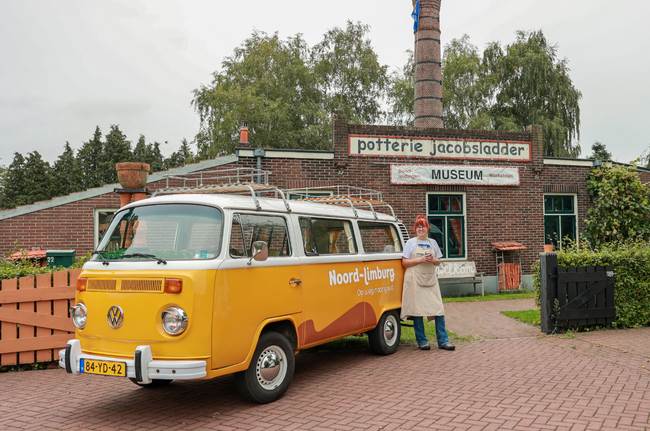
In Milsbeek, you can discover this history at Museum De Oude Pottenbakkerij, located in Potterie Jacobsladder. This former flowerpot factory from the 1920s has largely been preserved in its original state. Among other things, you’ll find an old wood-fired kiln and historic production machinery. There’s also a unique ceramic music organ on display, created by ceramicist Geert Jacobs, who bought the building in the 1970s.
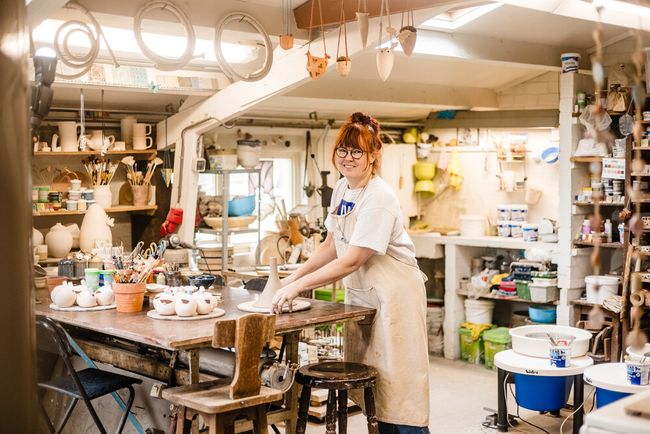
At Studio Marienaade, ceramicist Mariena Steensma brings the craft to life. You can get hands-on with clay yourself during pottery workshops, where you’ll learn to throw on the wheel or shape by hand. You’ll also find traces of the region’s ceramic heritage outside the museum. Street names such as Potkuilen, Sprokkelveld, Leembaan, Panoven and Ovenberg are a reminder of the ancient craft of pottery.
Accommodation tip: spend the night in a former pottery workshop
Fancy staying in the region a little longer? At B&B Potterie de Champignon in Gennep, you can spend the night in a unique setting. The building was once a mushroom farm and later became a pottery workshop. These days, it’s a bed and breakfast, where you can still see an old pottery kiln.
-
Pottery workshop at Studio Marienaade
Pottery workshop at Studio Marienaade
At Studio Marienaade in Potterie Jacobsladder, you can take part in a pottery workshop in Milsbeek. Under the guidance of Mariena Steensma, you’ll learn how to throw and hand-build pottery, either on your own or with others. More info about the pottery workshop at Studio Marienaade
-
Museum The Old Pottery
Museum The Old Pottery
Delve into the history of the flowerpot industry at Museum De Oude Pottenbakkerij in Milsbeek, featuring an original wood-fired kiln and historic machinery. More info about Museum De Oude Pottenbakkerij
Gennep: ceramics from the museum cellar to the street
The Petershuis Museum traces the development of ceramics from archaeological finds to contemporary art. The permanent exhibition focuses on the pottery-making tradition and the flowerpot industry, whilst the collection and temporary exhibitions also showcase modern ceramics.
The story continues beyond the museum. On Jan Lindersplein stands the Ceramics Wall, featuring ceramic miniatures of historic buildings in Gennep, created by Pieter Arts. For example, at Raadhuisplein in Ottersum, seven ceramic panels by Pieter Arts can be admired, depicting historic village scenes. The Gennep–Mook Ceramics Route, for instance, takes you past former potteries, ceramics studios and sites where clay was once quarried.
A personal tip from Val Caris, policy officer at Gennep Town Council
"The latest news about ceramics in the region is shared via the Instagram page @planideeklei. The KLEI working group shares news and activities here with the aim of further stimulating the network of ceramists and heritage organisations and making the current range of offerings more accessible."
From tram stop to pottery workshop in Bergen
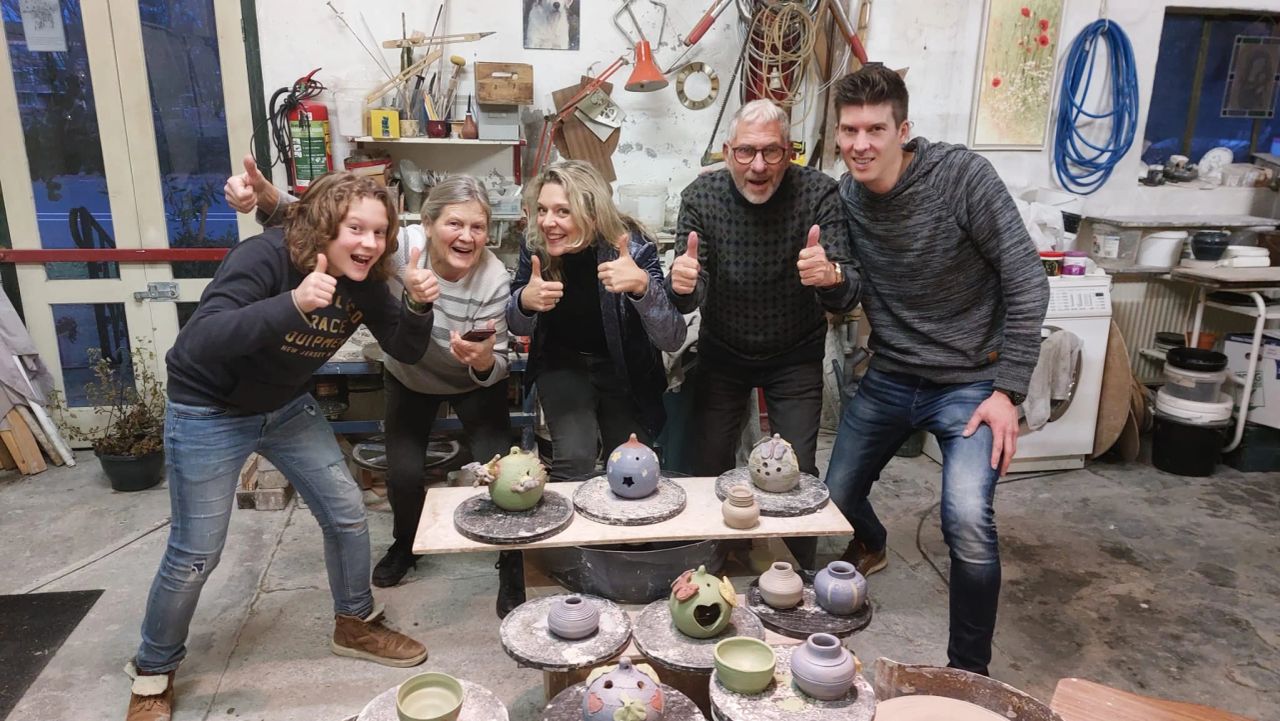
On the Rijksweg, you’ll find Potterie De Tramhalte. The building used to serve as a stop on the tram line between Venlo and Nijmegen, which was built in 1913. After the Second World War, the tram line disappeared, but the building remained standing. In 1982, potter Geert Jacobs set up his pottery here. The old platform is still visible. These days, it houses a gallery and hosts workshops. Learn to throw your own pot or vase on a potter’s wheel.
From Roman roof tiles to ceramic art in Tegelen
Further south, in Tegelen, the history of ceramics took a different course. For centuries, potters here used local clay to make pots, crockery, tiles and decorative pieces. Around 1830, they faced fierce competition from the large-scale ceramics industry in Maastricht. By the mid-nineteenth century, many traditional potteries had disappeared.
Around 1860, new opportunities arose. Entrepreneurs in Tegelen began producing bricks and roof tiles on a large scale. According to the Tiendschuur Ceramics Centre, around 30 ceramics companies sprang up within a short space of time.
From the 1930s onwards, interest in ceramic craftsmanship also grew. George Goossens, co-director of the coarse ceramics company Russel-Tiglia, organised an exhibition of old Tegelen ceramics in 1935. A year later, he opened a workshop in his factory where young workers could learn the craft. Later, even artists such as Corneille, Karel Appel and Anton Rooskens came to the workshop to experiment with clay.
Experience it for yourself: Tiendschuur Ceramics Centre
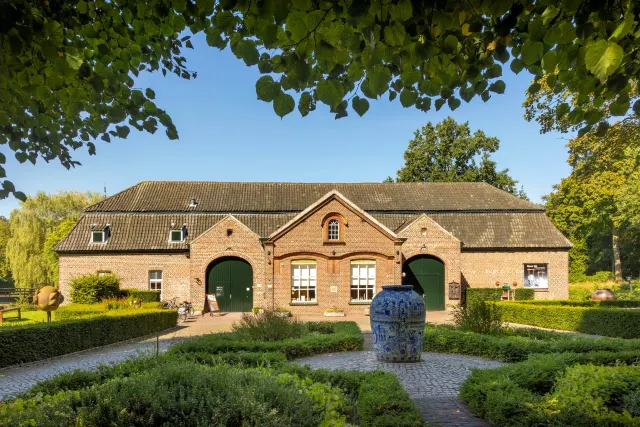
At the Tiendschuur Tegelen Ceramics Centre, you can discover both historical and contemporary ceramics. In the studio, you can try your hand at working with clay during workshops, courses and demonstrations.
Tip: dine on local ceramics at SOBER
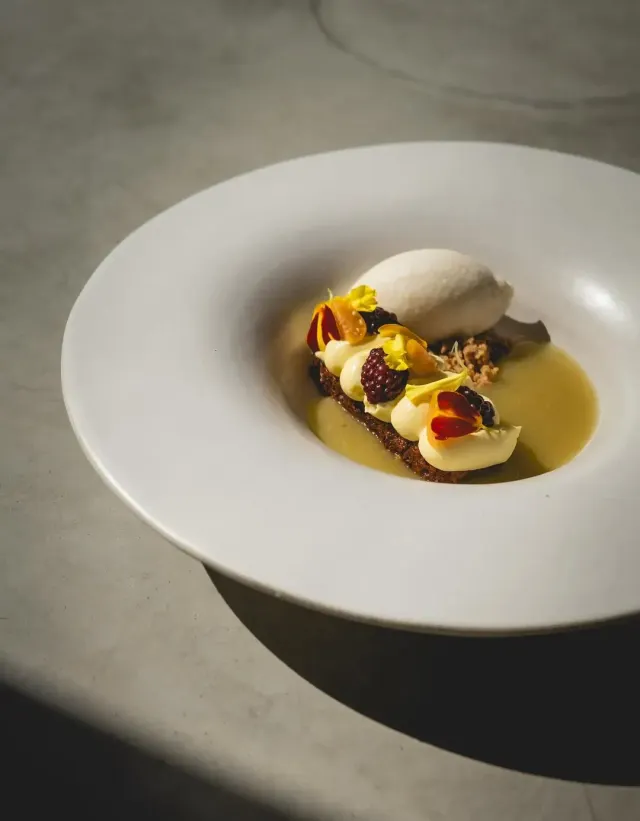
At restaurant SOBER in Tegelen, ceramics literally take centre stage. The restaurant is housed in a former ceramics factory, which also serves as the studio for the family-run business Ceramics Limburg. The dishes are served on handmade ceramics from the studio.
Offenbeek and Reuver: a ceramics factory is given a new lease of life
In Offenbeek, near Reuver, roof tiles used to be fired in small ‘pannesjoppen’. This later developed into a significant ceramics industry, with factories run by the Teeuwen and Laumans families, amongst others. At the end of the nineteenth century, the Tegelen-based entrepreneur Louis Timmermans built a brick and roof-tile factory here. In 1904, a stoneware pipe factory was added. The Teeuwen brothers later took over the business and specialised in stoneware pipes and window sills.
To transport clay, various factories used a narrow-gauge railway from Germany. From clay pits near the Icksberg and later Diergardt, small tipper wagons ran to the factories. This clay tram was known locally as the ‘tuf’.
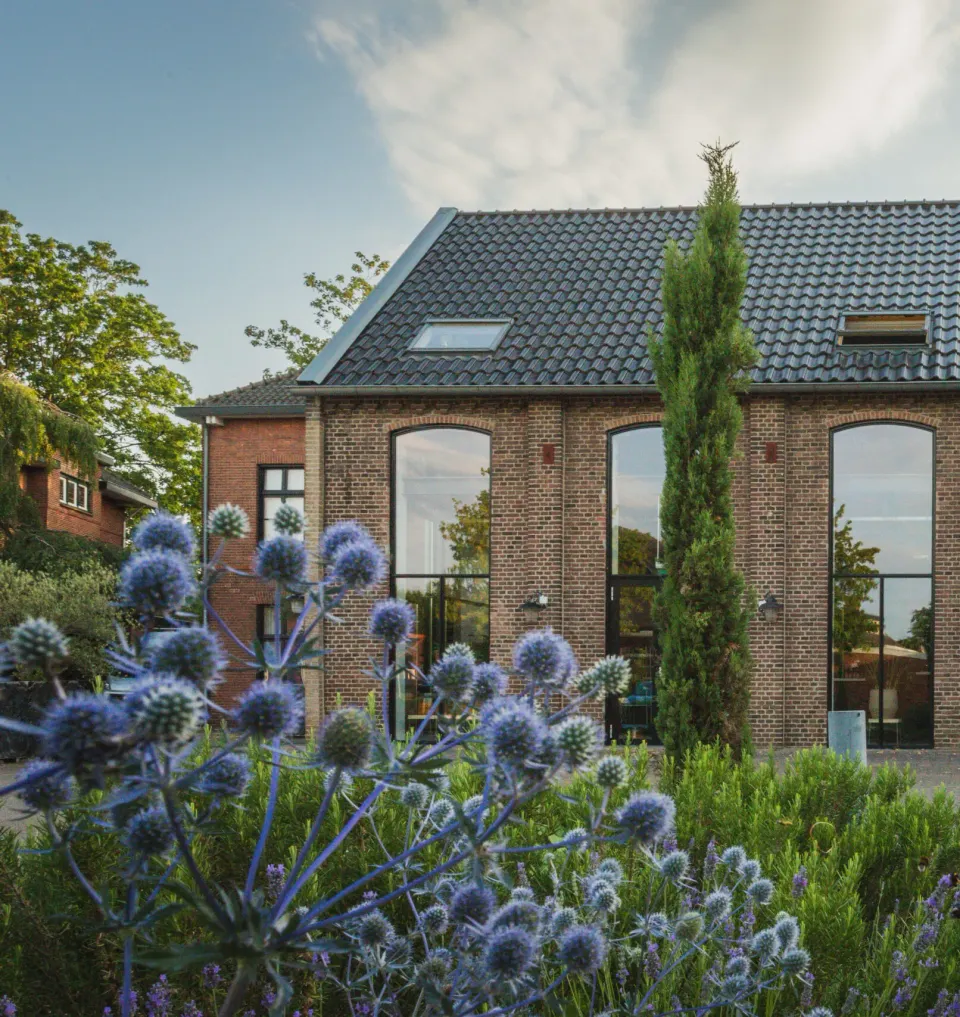
In 2013, the production of stoneware pipes ceased. Many old factories have since disappeared, making way for housing. Part of the Teeuwen factory was preserved and was repurposed in 2019 as De Greswaren. Today, it is home to the Grescollege, businesses and associations. Behind the building, a locomotive with tipper wagons and a factory chimney still serve as reminders of the past.
Would you like to see more of this industrial heritage? Then cycle the 32-kilometre-long Beesel-Reuver Ceramics Route. Along the way, you’ll pass former factories, manufacturers’ villas and ceramic art.
Ceramics as art in the streetscape of Beesel
In Beesel, ceramics flourished as an art form. In the late 1930s, St. Joris, following Tegelen’s example, established a studio for artistic and functional ceramics. From the mid-1950s onwards, companies such as Loré and Ciro also began to specialise in ceramic art. Artists such as Leo Jungblut, Charles Grips, Piet Schoenmakers, Jules Rummens and Joep Thissen worked with clay there.
The workshops produced both religious and non-religious art: ranging from smaller decorative and functional objects to large sculptures and wall reliefs for churches, schools, monasteries and public buildings. Colourful glazes and the use of salt kilns were characteristic of some of the Beesel ceramics. Parts of this heritage can be seen at Museum Beesel and at the Beesel Ceramic Heritage Foundation. Or head outdoors. The ‘Keramisch Ommetje’ walking tour takes you past around thirty works of art in public spaces. You can choose between a short walk of about 1.5 kilometres or a more extensive route of around 4 kilometres.
My tip: Get involved yourself at Risja Gallery
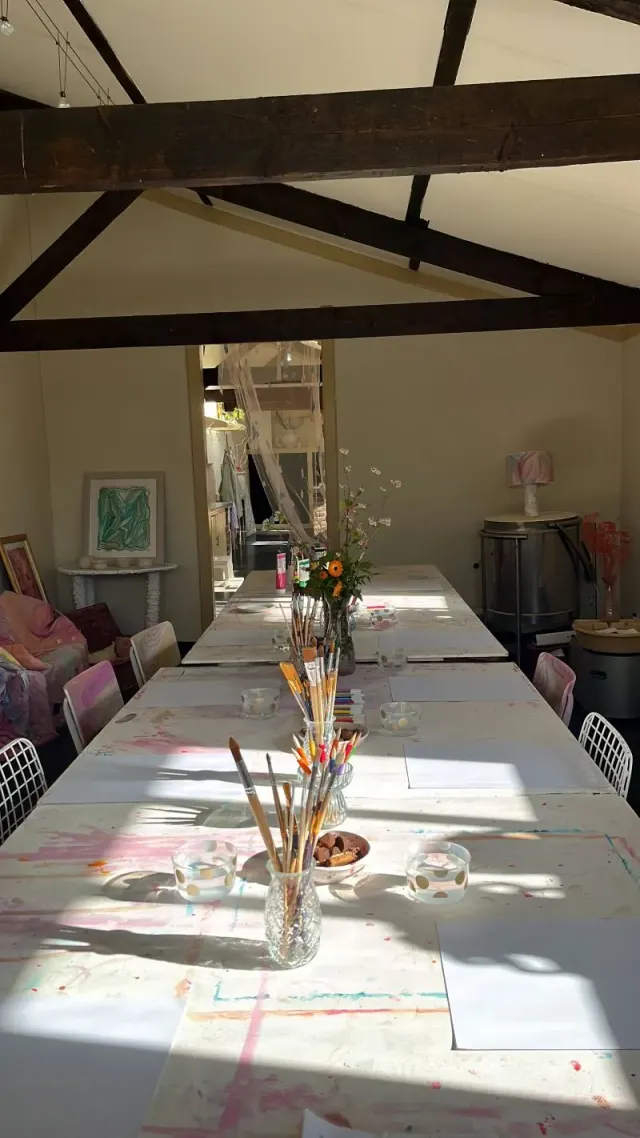
Prefer to make something yourself? At Risja Gallery in rural Rijkel near Beesel, you can take part in creative workshops. Think of modelling with clay or decorating crockery in the glazing café. There’s also a High Tea & Clay workshop, where you can get creative whilst enjoying a high tea.

Discover North Limburg’s ceramics story for yourself
The history of ceramics in North Limburg illustrates how a single raw material came to take on its own distinct significance in different places. That history is still very much alive today. Keramisto also brings together ceramists and ceramics enthusiasts every year. Whilst ceramics were once mainly used for tableware, flowerpots, pipes and roof tiles, they now also play an important role in art, design and experimentation.
Did you know that the municipalities of Beesel, Gennep and Venlo are working together to raise the profile of this heritage, including through Planidee KLEI? Furthermore, North Limburg – comprising the municipalities of Beesel, Gennep and Venlo – is a member of the European Route of Ceramics. In this way, the local stories of ceramics are becoming increasingly interconnected. And once you know what to look out for, you’ll see that story everywhere. The raw material is centuries old. But the story of ceramics in North Limburg is far from over.
This article was produced in collaboration with Gennep Town Council, Beesel Town Council, Venlo Town Council, Val Caris, Wim Rovers and Marcel Dings. If you spot a mistake or notice any missing information, please let the editorial team know via redactie@in-noordlimburg.nl/en.
Frequently asked questions about ceramics in North Limburg
North Limburg has traditionally been rich in raw materials for ceramics, such as clay, water and wood. This led to the emergence of a thriving pottery industry, particularly around Gennep and Tegelen. For centuries, items such as earthenware, flowerpots, bricks and roof tiles were produced here. Would you like to find out more about the region’s traditions and crafts? Then read ‘From vlaai to vastelaovend: this is truly Limburg’.
You can explore the region’s ceramic heritage at various locations across North Limburg. Visit, for example, Museum Het Petershuis in Gennep, Museum De Oude Pottenbakkerij in Milsbeek or Keramiekcentrum Tiendschuur in Tegelen. You’ll also find ceramic art and historical stories in Beesel. Take a look at our tips for monuments and museums in North Limburg too.
There are various places in North Limburg where you can try your hand at working with clay. For example, you can take part in workshops at Studio Marienaade in Milsbeek, Potterie De Tramhalte in Bergen and Keramiekcentrum Tiendschuur in Tegelen, amongst others. At Risja Gallery in Beesel, you can try your hand at modelling and decorating ceramics, amongst other things. Want to discover more of the area? Check out our tips for cycling in North Limburg.
In North Limburg, there are various routes that take you on a journey through the region’s ceramic heritage. The Gennep–Mook Ceramics Route introduces you to historic potteries and ceramics workshops. In Beesel and Reuver, you can cycle the 32-kilometre-long Ceramics Route. The ‘Keramisch Ommetje’ in Beesel is also highly recommended, featuring around thirty ceramic artworks along the route.
Milsbeeks Bont, also known as Limburgs Bont, is a distinctive form of decorative and functional pottery from Milsbeek. It was produced, amongst other places, at the De Olde Kruyk pottery and is renowned for its unique shapes and decorations. The pottery was not only sold in the Netherlands but also exported to other countries. Would you like to discover Milsbeek’s ceramic heritage for yourself? In our blog about 8 original autumn weekend breaks in North Limburg, you’ll find a weekend tip for ceramics enthusiasts.